
Software and Web Design
Join The Revolution!
Today's Web sites require the flexibility to display well in a variety of devices, as well as providing a wealth of services for their visitors.
Staying ahead of the curve is number one when it comes to customer interest and retention.
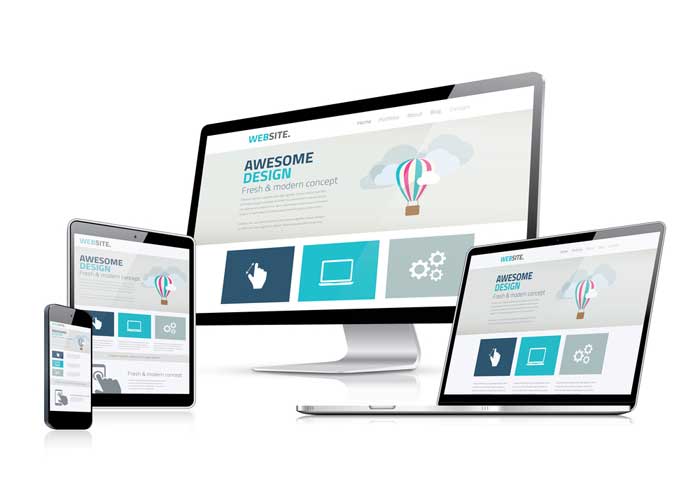
DataBoy is dedicated to creating your website to specifically meet the goals and objectives you have in mind, while providing an intriguing, professional, responsive and common sense design; eye-catching and stimulating yet easy to use and adaptive to any device, allowing your visitors to easily and efficiently find the information they need.

Automate Your Web Site! Server-side processing brings you database access, submit forms, tracking and rotation of your ads, password protected data, and much more. With custom programming, we can create the functionality for almost anything you want to do with your Web site, all within a safe and secure environment.
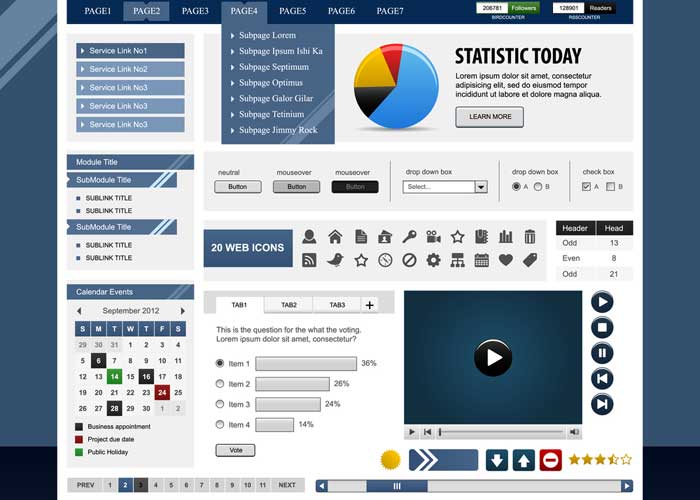
Whether you run a large network or a small office, we can create forms and manuals online. Easily accessible, intuitive and interactive, these can provide a useful utility for you as well as your employees and clients. Save countless hours in employee training. You can also provide useful tools for your employees in the field.
Testimonials
-
I have been working with Buddy Logan at Databoy Software for over a decade now and I am very happy with our relationship. My experience is that Buddy listens to what my needs are and then presents me with multiple options for my website design. Often these options far exceed anything I could have envisioned myself. I find the collaborative relationship at Databoy very unique and I always feel like Buddy is just a simple phone call away when I have new ideas or a need for change. I can highly recommend Databoy software and I wish all of my vendors were equally as creative and professional.
 Michael Bokrosh - Bokrosh Studios
-
Databoy gives us great service with ideas to update our website, quickly incorporates any requests we have AND does it all for a very reasonable price. We are happy customers!
 Darla O'Brian - Hilltop House
-
I have been doing business with DataBoy since 2008 and I can't say enough about Buddy, he is always keeping me updated on technology and always coming up with ways to improve my web-site, he is more than fair on his prices and he is very creative. I would not use anyone else, before I was introduced to Buddy I had tried many different web-designers and they all looked the same and they were hard to use. Buddy is always looking for ways to simplify the use of the web-site to make it user friendly. I highly recommend DataBoy's services.
 Darlene Berry - Property Management of Idaho
DataBoy Software is a Full Service Company

Your site will be optimized for the highest search engine raking.

No need to go elsewhere. We offer hosting for all our clients at very reasonable rates.

DataBoy is a domain registrar. We can register and renew your domain name.